
How to Plan High-End Residential Property Care Year-Round
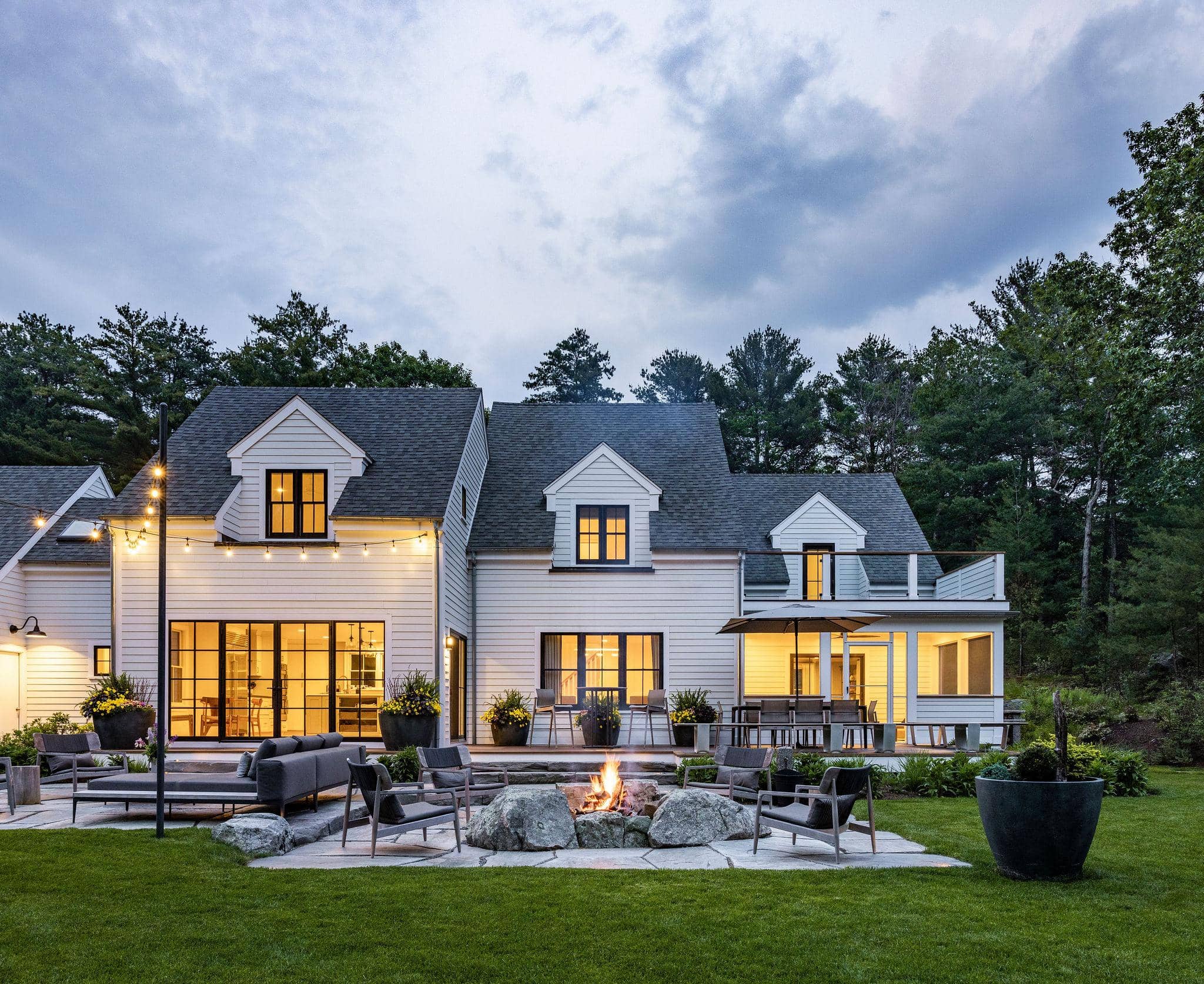
A high-end residential landscape often begins with a sense of ease, plantings feel settled, lawns look balanced, and outdoor spaces appear to support daily life without effort. Over time, however, even the most refined properties reveal subtle strain as seasonal shifts introduce new demands, maintenance decisions become reactive, and different providers focus on individual tasks without anyone holding the long view.
That fragmentation slowly changes the experience of the property; what once felt intuitive begins to feel managed, timing slips, communication feels inconsistent, and long-term intent fades behind short-term solutions.
Consistent stewardship transforms a high-end property from a costly asset into an enduring sanctuary. When care is planned proactively, it minimizes the need for expensive, disruptive interventions later on. It is a forward-looking approach that safeguards the property’s significant investment value while ensuring curb appeal remains high and critical systems, from irrigation to mature tree health, function optimally. Property care should be viewed not as an expense but as ongoing insurance for the quality of life the landscape provides, the steady hand that preserves the delicate balance between natural beauty and human design, allowing the property to mature gracefully and remain a source of calm and pride for the homeowner across every season.
A more deliberate framework restores clarity, shifting the focus from managing tasks to stewarding a living environment. The steps that follow outline a thoughtful process for bringing continuity, foresight, and calm back into your outdoor spaces.
Step 1: Understand Your Property As A Living System
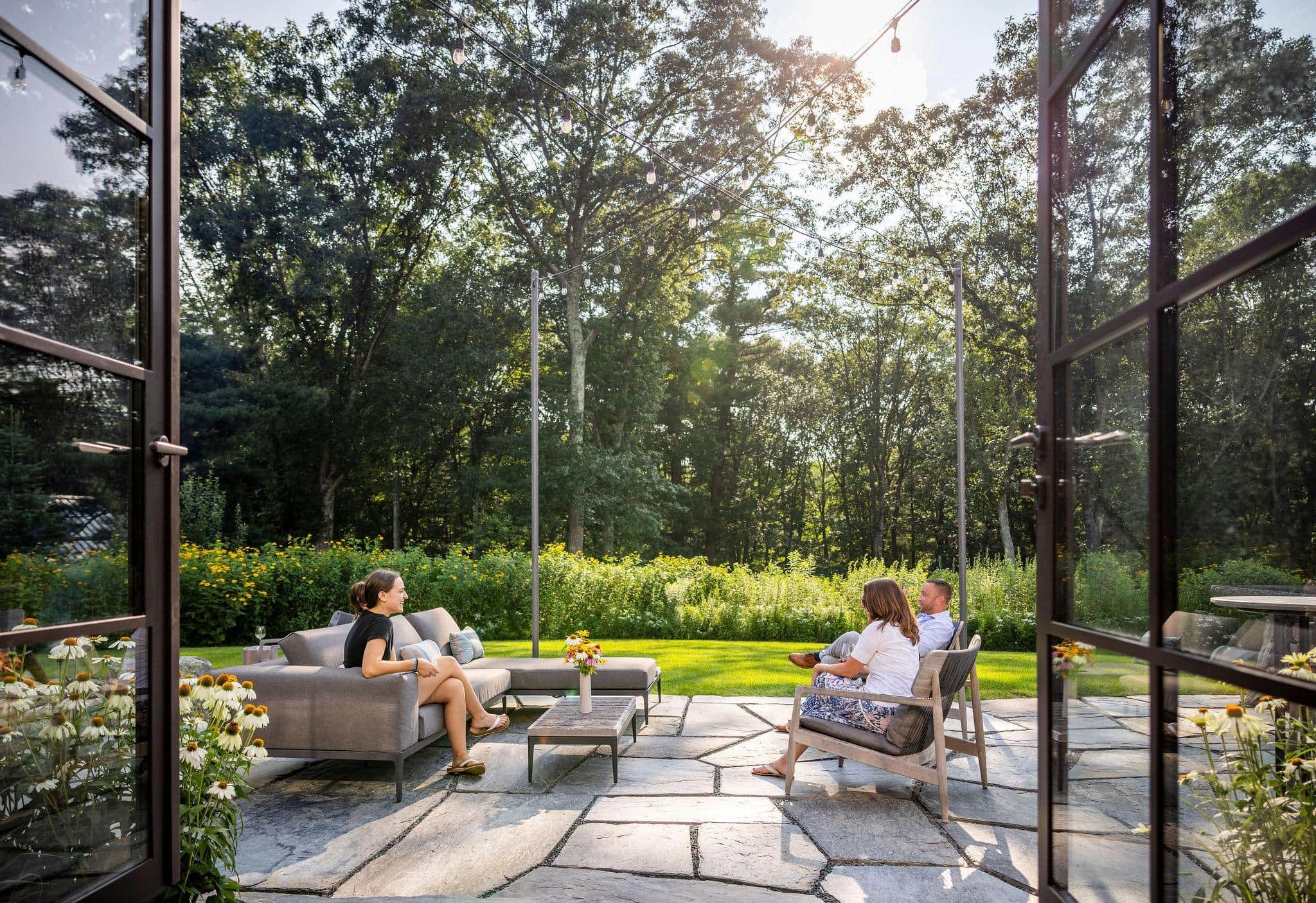
Every residential property operates as a living system shaped by natural forces and human use, where soil composition influences root development, sun exposure affects growth patterns, drainage determines long-term stability, and trees interact with lawns, gardens, and structures in ways that continually evolve.
Before setting schedules or selecting services, observation matters. Walk your property early in the morning and again in the evening, noticing how light moves across the land, where water settles after rainfall, and how people naturally move through the space during daily routines or gatherings.
This awareness forms the foundation of a strong residential property maintenance planning guide, grounding decisions in reality rather than assumptions. For example:
- A shaded lawn requires a different strategy than an open one
- High traffic areas benefit from reinforcement long before wear becomes visible
When your land is viewed as an ecosystem, care decisions feel measured and informed, and the landscape begins to respond naturally rather than needing constant correction.
Step 2: Identify Maintenance Needs Across The Year

High-level property care depends on continuity across all seasons, with each phase supporting long-term health and visual balance.
• Spring focuses on renewal through soil conditioning, pruning, and preparing beds and lawns for active growth
• Summer shifts attention toward monitoring irrigation performance, heat stress, and turf resilience
• Fall introduces structure and protection with leaf management, soil enrichment, and preparing plants and trees for dormancy
• Winter becomes a period for oversight, evaluation, and long-term planning
Tree servicing is especially important within this annual rhythm since mature trees shape the character of a property and require professional attention through structural pruning, canopy balance, and health assessments that protect both beauty and safety.
This seasonal awareness reinforces seasonal landscape maintenance planning and keeps care steady rather than reactive, allowing the property to remain composed as conditions change.
Step 3: Integrate Design And Installation Decisions Early

Many long-term maintenance challenges begin well before the first season of care, as plant selection, material choices, and layout planning shape how a property ages and how much intervention it will require over time.
When care considerations are integrated from the beginning, everything works more smoothly since plants are chosen for local conditions rather than short-term appeal, hardscape materials weather gracefully instead of deteriorating unevenly, and layouts allow for access without disrupting the visual flow of the landscape.
This foresight is central to luxury landscape care planning because it prioritizes longevity over quick results while reflecting an integrated property care approach in which design, installation, and ongoing maintenance support one another rather than operate in isolation. Many homeowners experience this most clearly when design decisions are guided by teams that understand long-term upkeep and provide comprehensive landscape design and build services.
Properties planned this way mature with intention and do not rely on constant correction, instead evolving steadily through decisions made with the future in mind.
Step 4: Use Smart Technology To Support Consistency

Technology has become a quiet ally in refined property care and, when applied thoughtfully, enhances reliability without intruding on the landscape’s natural sense of serenity and escape.
Popular smart technology options for property care include:
- Robotic lawn mowing
- Smart irrigation systems
Robotic lawn mowing uses electric, autonomous lawn mowers that glide across the turf, making constant adjustments to blade height to produce a uniform cut across a landscape, regardless of its topology. The benefits of robotic lawn mowers include:
- Reduced noise compared to traditional gas-powered lawn mowers
- Less air pollution or need to refill: mowers return to their base to recharge via your property’s mains power
- Reduced soil compaction: robotic mowers are relatively light and because they work autonomously, there doesn’t need to anyone walking along your yard during maintenance, reducing compaction from footsteps
- Safety features: robotic lawn mowers can not only detect objects in their path but also detect if they have been lifted or tipped over, reducing the chances or injury or damage
Smart irrigation systems are Wi-Fi-connected devices that can adjust water delivery using real-time data, ensuring that watering is based on what the land requires, rather than a rigid schedule that could lead to over- or under-watering.
Smart irrigation systems can include features such as:
- App-based smart controllers that owners or teams can adjust remotely
- Connections to local weather stations for real-time and predictive weather data
- Soil moisture detection
- Sensors that detect if pipes or sprinklers are broken, sending alerts
The benefits of smart irrigation systems include:
- Reduced water usage during heavy rain
- Improved watering during hot or dry spells
- Improved plant and lawn health due to correct and constantly adjusted watering schedules
- Pooling and dry-spot prevention due to the flow sensors that detect any issues
If your property is managed by professionals, smart technology tools enable teams to track conditions without constant on-site presence, providing insights that support a dependable year-round property care plan that adapts automatically as conditions shift. As a property owner, you and your family can spend more time enjoying your outdoor space in peace, knowing that technology is helping protect your landscaping’s long-term health.
Step 5: Plan Enhancements That Fit Your Needs And Daily Use
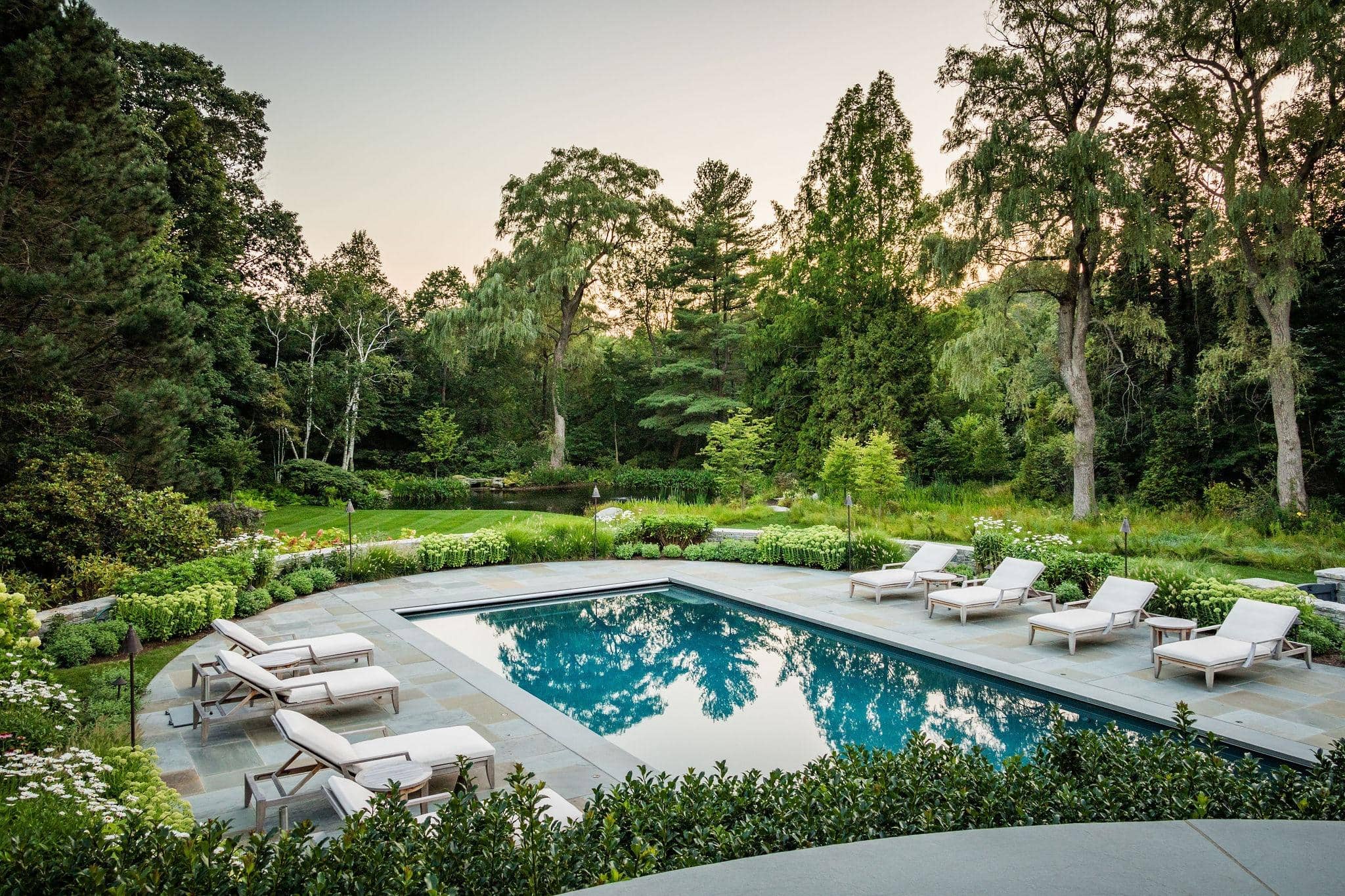
A truly refined property reflects how you live, not just your tastes and trends, and enhancements should respond to daily routines, evolving interests, and family life cycles rather than fixed assumptions.
Perhaps children are growing up, and your family could benefit from new outdoor zones, such as sports courts. You may be tired of traveling to achieve that feeling of escape: why not create that resort-like experience on your property with a pool or outdoor kitchen?
How your lifestyle impacts outdoor living spaces:
- Active families may want to include sports courts, pools, and other opportunities for exercise
- Those seeking privacy and tranquility may focus on privacy screens and landscaping that provide a quiet oasis
- If you host a large number of gatherings, consider outdoor living spaces such as outdoor kitchens and fire features for functional, memorable gatherings
Long-term landscape maintenance planning means understanding how design and daily use intersect, and what level of service will be needed for your family to maximize their use of your outdoors.
Enhancements feel most successful when they anticipate change rather than resist it, cultivating an enduring environment through a proactive approach that integrates thoughtful design, technology, and expert professional care.
Step 6: Plan Ahead For Seasonal Décor That Stands Out

Seasonal décor adds a vibrant character to your outdoors, welcoming guests into an experience that captures the season. It’s a time to let your outdoors add a layer of boldness, fun, and creativity that guests and passersby will remember.
Bold containers overflowing with color, layered textures, and statement arrangements can completely transform an entryway, patio, or gathering space while creating an inviting experience for guests from the very first glance.
Seasonal containers should reflect the architecture of the home, the surrounding landscape, and the spirit of the season, whether that means bright spring blooms, lush summer combinations, rich autumn tones with pumpkins and ornamental grasses, or winter greenery accented with natural elements. When thoughtfully coordinated, seasonal displays should feel cohesive and celebratory, like your property is dressing for the moment, enhancing curb appeal and reinforcing the property’s overall aesthetic.
The most memorable seasonal installations feel joyful and expressive, bringing energy to outdoor spaces and making the property feel alive, welcoming, and in step with the time of year.
This effect is best achieved by planning ahead with a team of professionals who know which plants will match your palette while capturing the season. Planning ahead means that your property feels like it has a theme for every moment of the year. And if you have a busy hosting season, professionals will ensure that seasonal décor is immaculate for every event.
Step 7: How To Work With Landscaping Professionals

Successful property care relies on strong partnerships shaped by clear communication, proactive guidance, and shared understanding over time. Look for professionals with deep local knowledge, a visible presence in the community, and credentials supported by ongoing training and dedicated account management, since these details matter when consistency is essential.
Open dialogue keeps planning proactive rather than reactive and, over time, supports true stewardship instead of short-term fixes. When expertise extends across disciplines, such as specialized tree care services, the property benefits from continuity rather than fragmented oversight.
The relationship should feel steady and collaborative rather than transactional, with the annual rhythm translated into a precise long-term care calendar that serves as a master blueprint detailing core activities by month, season, and year.
With this structure in place, maintenance becomes intentional, organized, and aligned with the long-term vision for the property.
Step 8: Review And Adjust As The Property Evolves

Residential landscapes change as trees mature, family needs shift, and use patterns evolve, which is why regular review ensures your care plan remains relevant. Annual walkthroughs create space for reflection by identifying which areas feel strong, where activity has increased, and what would benefit from refinement, allowing these insights to guide thoughtful adjustments rather than reactive changes.
This ongoing process reinforces the mindset behind planning residential property care as a living practice, keeping the focus on balance, resilience, and longevity so change becomes part of the rhythm rather than a disruption, and the property continues to reflect both its surroundings and your connection to it.
High-end residential landscapes deserve care that feels intentional and steady, where clarity and long-term thinking turn planning into a source of ease rather than effort. A deeper understanding of how to plan residential property care connects daily decisions with lasting value, and when you are ready to explore what this approach could look like for your own landscape.
Request a consultation today to start planning maintenance for your high-end residential property.
Summary
This guide explains how to plan residential property care by understanding your land as a living system, aligning maintenance with seasonal rhythms, and adjusting the plan as your property evolves.
Tags: