
8 Essential Elements Of High-End Residential Property Care Checklist
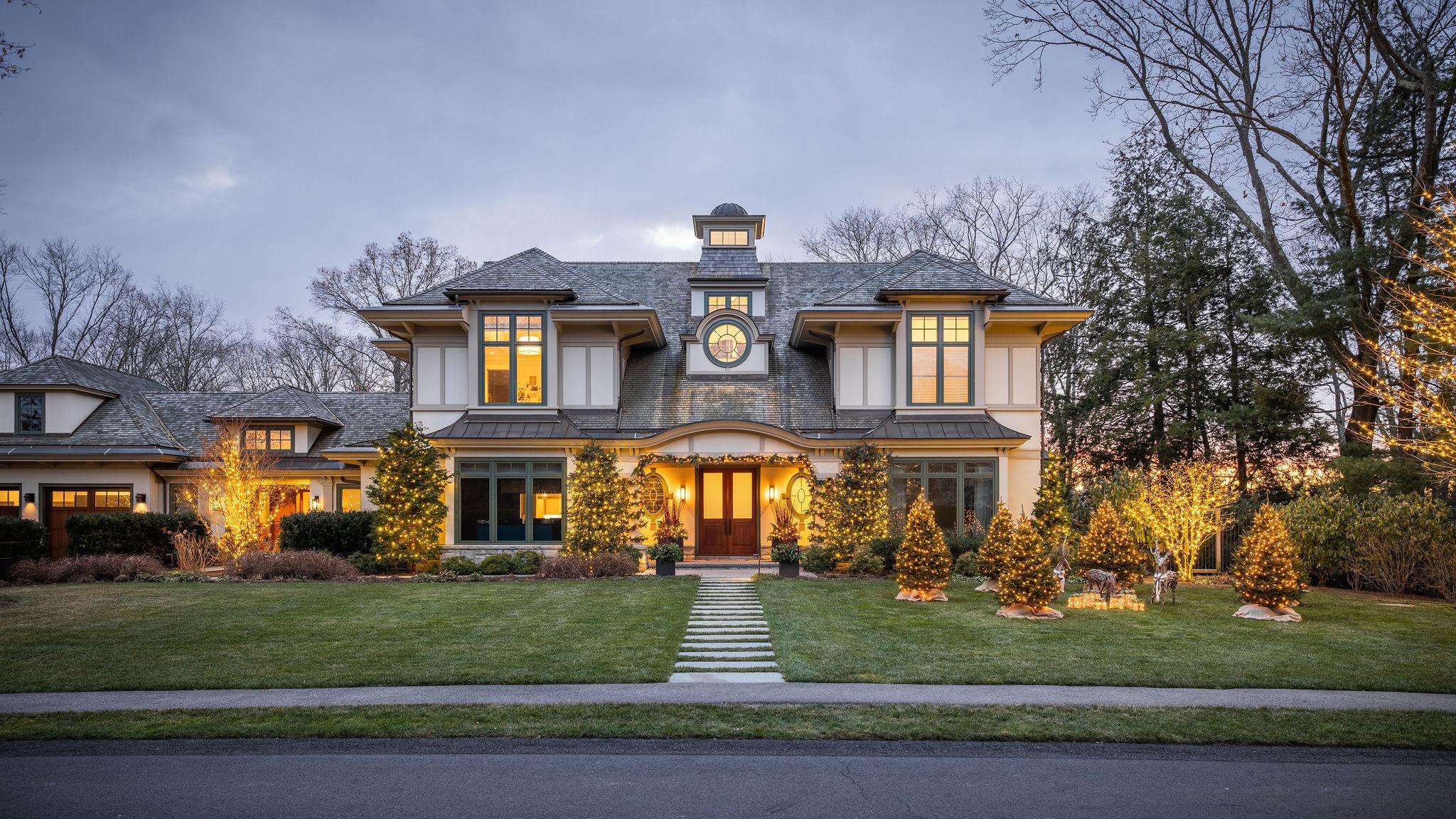
A beautiful property is never an accident. It comes from steady attention, thoughtful timing, and a plan that runs quietly in the background.
If you’ve ever walked your grounds and noticed small issues adding up, thin turf in one corner, irrigation that feels inconsistent, plantings that look tired sooner than expected, you’re not alone. The hard part is that most problems don’t start big. They start small, then spread when no one catches them early.
When care turns reactive, your outdoor spaces can start to feel like another responsibility instead of a place you enjoy. That’s why a high-end residential property care checklist matters. It helps you see what should happen, when it should happen, and what “excellent” looks like in every season. Keep reading for a clear list you can use to guide decisions year-round.
1. A Year-Round Property Care Plan

The foundation of a high-end residential property care checklist is a plan that covers the full year, not just the growing season. A year-round approach gives your outdoor space structure. You know what’s coming next, and your property stays steady through weather shifts and seasonal wear.
To keep planning clean and easy to follow, break the year into phases:
- Early spring preparation and bed refresh
- Late spring growth management
- Summer health monitoring and irrigation tuning
- Fall leaf management and root support
- Winter protection and planning for next season
This kind of seasonal property care for homeowners is mostly about timing. It also protects the details that make your property feel polished, like crisp edges, tidy transitions, and clear sightlines.
Add quick notes as you move through your property. Track sunlight patterns, drainage behavior, and how guests move through outdoor areas. Those observations lead to better decisions, especially on larger properties.
For a deeper view of how a full-year plan comes together, check out our “High-End Residential Property Care: A Complete Guide for Homeowners,” which expands on each step and how it fits into your checklist.
2. Consistent Residential Landscape Maintenance

Consistency is what makes outdoor spaces feel calm, intentional, and cared for. Your checklist should include routine maintenance that protects your landscape before it looks like it needs help.
When mowing, trimming, edging, and bed care happen on a reliable schedule, your property holds its shape. You avoid the “catch-up” look that shows up when service is rushed or skipped.
A strong routine often includes:
- Clean bed edges that keep mulch and soil in place
- Neat lines along walks, driveways, and patios
- Timely pruning that supports plant form and health
- Weed control that stays ahead of spread
- Mulch depth checks that protect roots without smothering
These luxury home landscape maintenance tips aren’t about doing more work. They’re about doing the right work at the right time, so plantings avoid stress cycles.
Tune the routine to how you use your property. If you host often, you may want more frequent detail work near entrances and entertaining areas. If privacy matters most, hedges and screening plantings may need closer attention to keep their shape.
3. Proactive Monitoring Instead Of Reactive Fixes

One of the biggest differences between average service and premium care is monitoring. A high-end residential property care checklist should include regular check-ins that catch issues early, while they’re still easy to correct.
Reactive fixes tend to be disruptive. A stressed tree declines further. A drainage issue spreads. A pest problem moves from one bed to the next. Proactive monitoring keeps decisions based on real conditions, not guesses.
What to watch for during walkthroughs:
- Changes in plant color, density, or leaf texture
- Uneven irrigation coverage and dry “hot spots”
- Early signs of fungus, pests, or leaf damage
- Pooling water after rain or thaw
- Sun exposure changes through the season
This supports outdoor property management best practices because it keeps care precise. It also helps to keep simple documentation. Notes and photos reveal patterns, like the same area drying out each July or one bed losing mulch faster due to wind.
4. Smart Irrigation And Water Management

Water should support your landscape, not work against it. A high-end residential property care checklist should include irrigation checks that protect plant health while avoiding waste and overspray.
Smart irrigation is especially helpful on large residential properties because it adapts. It can adjust to rainfall, heat, and seasonal shifts without constant manual changes.
Build these into your plan:
- Seasonal start-up and winter shut-down
- Zone-by-zone coverage checks
- Sprinkler head alignment and replacement
- Drip line inspection for leaks and clogs
- Water pressure and timing adjustments
Also think in micro-zones. Some areas need more water due to full sun, slope, or wind exposure. Others need less because they’re shaded or naturally damp. When zones match real conditions, plants stay healthier with fewer swings.
One more practical tip: watch for runoff on hard surfaces. It’s often the first sign a zone needs tuning.
5. Seasonal Tree And Servicing/Preservation

Trees are more than background. They create structure, privacy, shade, and presence. Your checklist should include seasonal tree servicing that preserves ornamental trees through careful pruning and health-focused care. The goal isn’t removal. The goal is preservation.
Tree preservation may include:
- Structural pruning to reduce weak branching
- Light canopy thinning to improve airflow and filtered sun
- Deadwood removal for safety and appearance
- Monitoring for pests and disease
- Root-zone protection during seasonal stress
This is where an estate property maintenance checklist benefits from extra detail. Trees change slowly, so it’s easy for issues to go unnoticed until they become visible from a distance.
Mark your “signature” trees. Maybe it’s a mature maple near the driveway or ornamentals framing your terrace. Those deserve extra attention because they define your property’s character.
If you want to explore what professional Tree Care should include for high-value landscapes, it helps to review a dedicated service page so you know what to expect throughout the year.
6. Low-Impact Lawn And Groundcover Practices

A lawn can look refined without being pushed too hard. Your checklist should include low-impact practices that protect soil health and reduce stress on turf and groundcovers. When turf is overworked, it becomes thin and vulnerable. When groundcover beds are ignored, weeds move in quickly. The balance comes from steady care and correct timing.
Low-impact practices can include:
- Mowing at the right height for the season
- Rotating mowing patterns to reduce compaction
- Aeration when soil needs relief
- Overseeding thin areas before they spread
- Natural bed support, such as leaf duff mulch
Pay attention to transitions. Edges between lawn and planting beds are often where decline starts. When those lines stay clean, the whole property looks sharper. This also supports long-term landscape care planning because small adjustments prevent larger corrections later.
7. Thoughtful Seasonal Enhancements And Décor
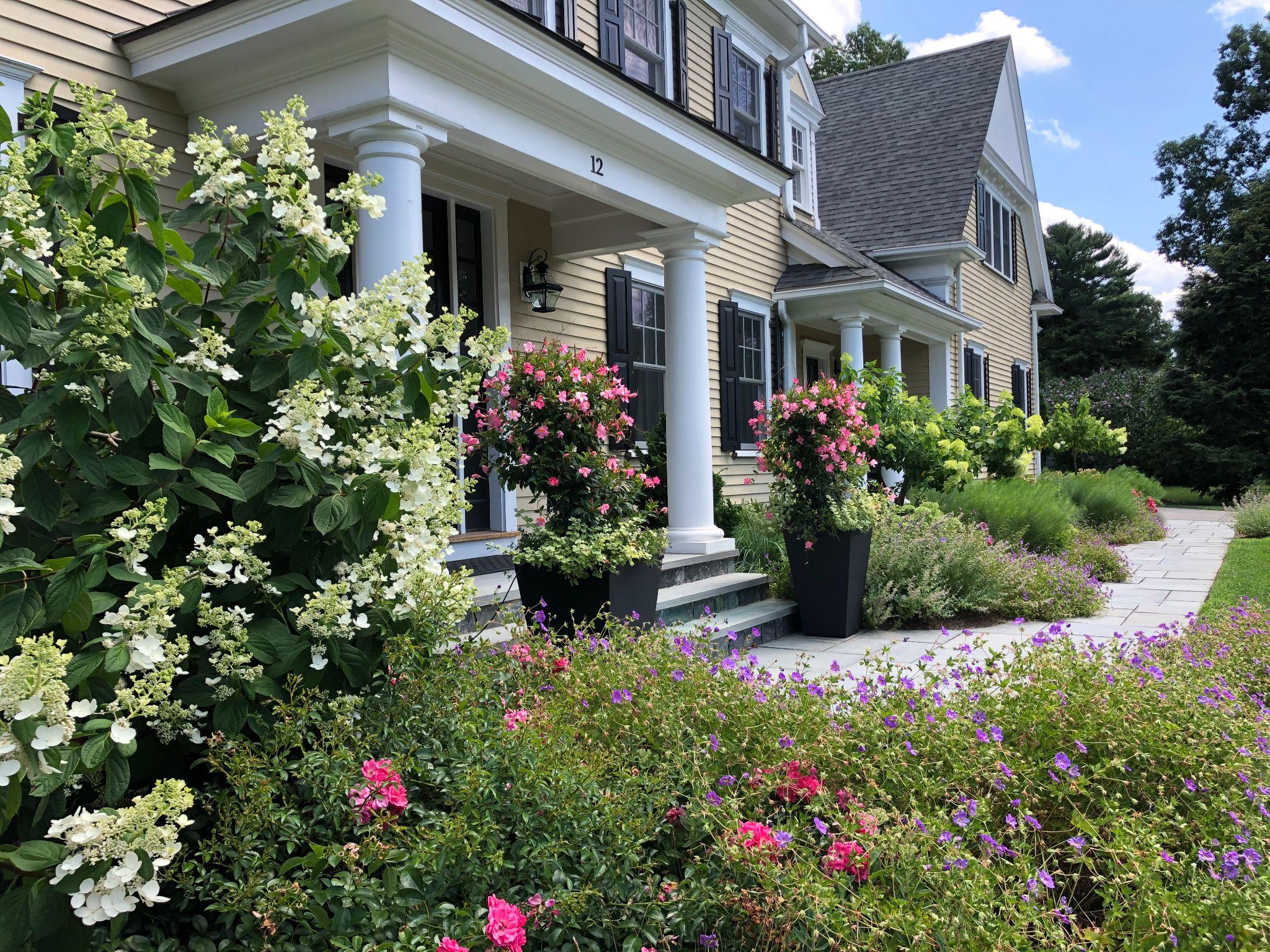
Seasonal enhancements should feel natural, not forced. Your checklist can include subtle, tasteful updates that reflect the season while keeping your property’s style consistent. This isn’t about over-decorating. It’s about small details that make outdoor spaces feel welcoming and intentional.
Ideas that stay elegant:
- Spring container refreshes with soft palettes
- Summer planters that hold shape in heat
- Fall accents using natural textures and warm tones
- Winter greenery to frame entrances and paths
- Seasonal lighting adjustments for early sunsets
This is an often-overlooked part of seasonal property care for homeowners, but it has a big impact on how your home feels from the street and as you move through outdoor spaces. Choose a few high-visibility areas to prioritize: the front entry, driveway approach, main entertaining space, and one or two focal garden moments. The goal is coherence, not clutter.
8. Working With The Right Property Care Team

High-level property care should feel organized, professional, and easy to manage. When you’re working with a qualified team, communication is structured, expectations are clear, and nothing slips through the cracks.
A strong partnership starts with clear documentation and consistent communication. Useful updates from your property care team may include:
- Service summaries after each visit
- Photo updates for key areas
- Notes on plant health concerns
- Schedule reminders for seasonal work
- Transparent billing and clear records
These practices reflect strong outdoor property management standards and allow you to stay informed without being overwhelmed. You shouldn’t have to chase down answers or wonder what happened on your property while you were busy living your life.
Just as important is having a single, reliable point of contact. High-end properties often involve multiple moving parts — seasonal scheduling, irrigation adjustments, tree preservation timing, enhancements, specialty gardens, and coordinated crew visits. When one experienced professional oversees the details, your experience becomes simpler and more consistent. Your priorities are understood, and the work stays aligned with your expectations.
Finally, professionalism should extend beyond communication. When your property is valuable, the people caring for it should be qualified both on paper and in the field. Look for certifications such as:
- MCLP (Massachusetts)
- Massachusetts Certified Arborist
- ISA (International Society Of Arboriculture) Certification
- Certified Plant Health Care Technician
- NOFA
- Massachusetts Certified Horticulturalist
Credentials matter because they reduce guesswork. They support better pruning decisions, healthier plant care, and safer practices around mature trees and high-visibility areas. This also strengthens an estate property maintenance checklist, especially when your property includes specialty gardens, mature trees, or detailed planting work that needs careful handling.
Summary

High-level care is about protecting the natural beauty you already have and supporting it with steady attention. When you follow a high-end residential property care checklist, you stop guessing and start making confident decisions that keep your landscape looking composed year-round.
And when every part of your property has a purpose, your outdoor spaces feel easier to enjoy and host in. Use your high-end residential property care checklist each season, or request a consultation for expert support.
If you want your outdoor space to stay refined, healthy, and consistent in every season, a high-end residential property care checklist helps you plan ahead, stay organized, and protect the details that matter most.
Tags: